A Complete Guide to Custom Embroidered Patches
Patches used to mean uniforms and scouts badges, but these days they’ve turned into a real style and branding statement in their own right. Whether it’s a team logo, a workwear detail, or a bit of merch that actually stands out, embroidered patches have become one of those small details that make a big difference. Here’s what’s actually worth knowing before you order a batch of your own.
What Are Embroidered Patches?
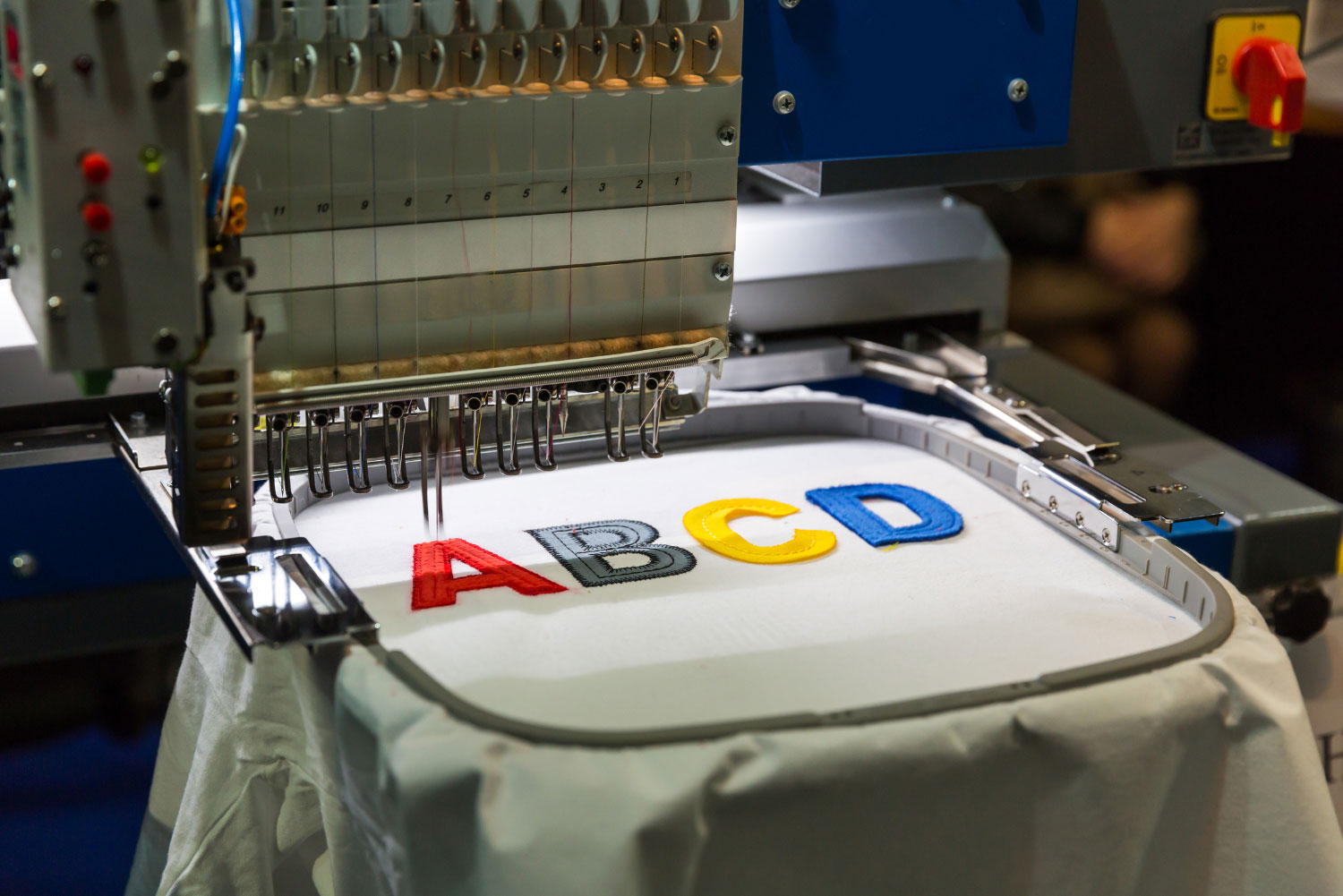
An embroidered patch is basically a design stitched onto a piece of backing fabric, then finished off around the edges so it can be attached to clothing, bags, or gear. Unlike a printed patch, the design’s actually built up with layers of thread, which gives it that raised, textured look people usually picture when they think of a “proper” patch.
Common Uses for Embroidered Patches
Patches show up in way more places than people realise. Uniforms, workwear, club and team gear, merchandise, brand promotion, and military or emergency services all rely on embroidered patches for identification, branding, or just a bit of personality on an otherwise plain garment.
How Embroidered Patches Are Made
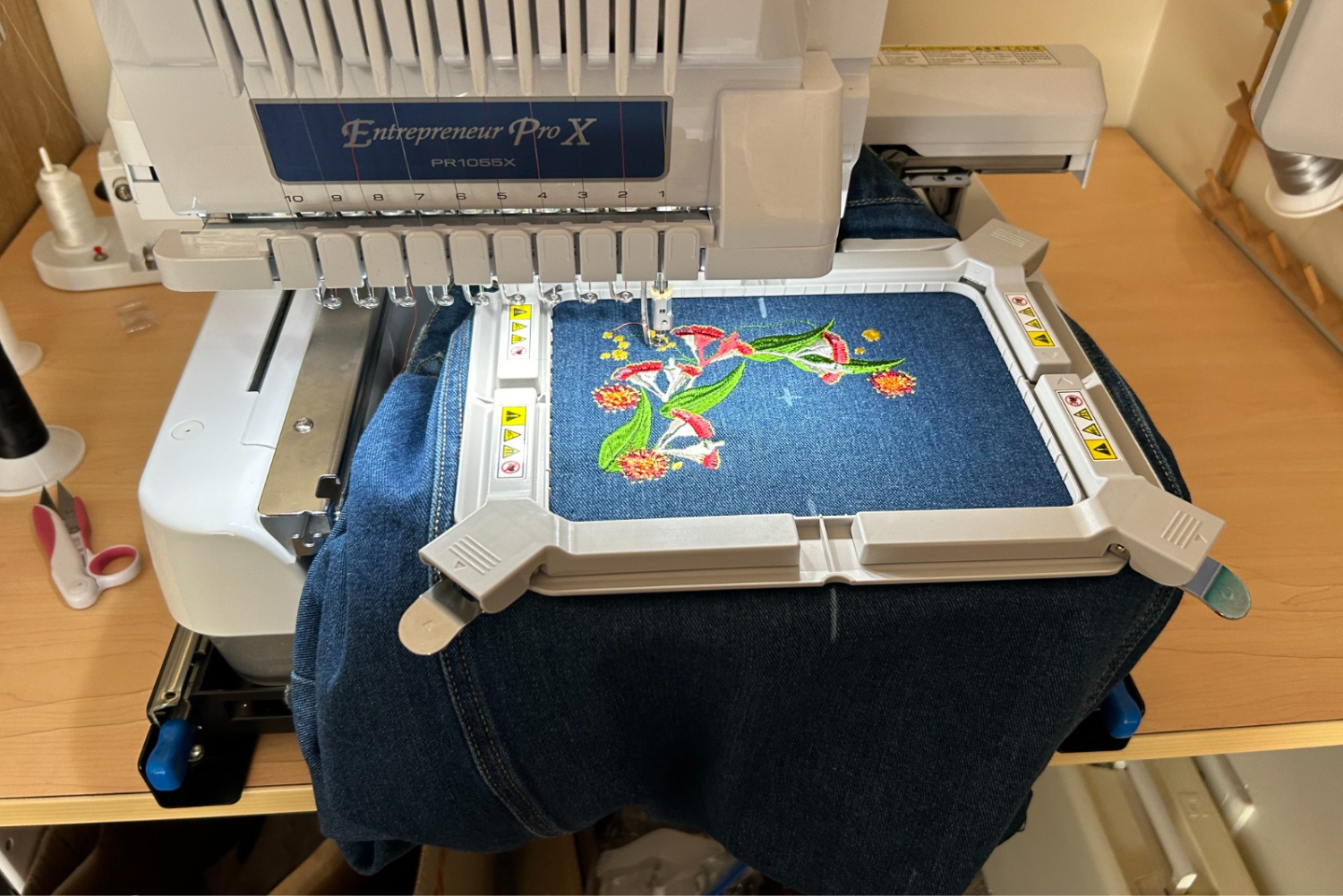
The process starts with digitising the design, turning artwork into a stitch file a machine can actually read. From there it’s about picking the right thread colours, running the stitching itself, and finally attaching a backing that suits how the patch is going to be used. Every step affects how the finished patch actually looks and holds up over time.
File Format and Artwork Requirements
If you’re supplying your own design, vector files (like AI or EPS) work best since they scale cleanly without losing quality. A high-resolution image can work too, though it’s worth checking with your embroiderer first, since low-quality or overly complex artwork can be tricky to digitise cleanly into a stitch-ready file.
Choosing a Patch Backing Type
The backing you choose depends a lot on how the patch is actually going to be used. Iron-on backing suits patches that’ll stay in one place permanently, sew-on gives a stronger, more durable hold for things like uniforms, Velcro backing lets you swap patches between garments, and adhesive backing works for quick, temporary use. Picking the right one upfront saves a lot of hassle down the track.
Patch Shape and Border Options
Beyond your basic rectangle or circle, die-cut shapes let a patch follow the actual outline of the design itself, which tends to look a lot more polished for logos or custom shapes. Border finish matters too, a merrowed edge gives that classic rolled, stitched border look, while a hot-cut edge suits more intricate or irregular shapes where a merrowed border just wouldn’t work.
Design Considerations for Embroidered Patches
Fine detail doesn’t always come out great in stitching, especially once you shrink it down small. Keeping the colour count sensible and steering clear of overly fiddly detail helps the finished patch look clean instead of muddy or hard to make sense of. Size and shape play into this too, since they decide how much detail you can actually fit in without it turning to mush.
Embroidered vs Printed vs Woven Patches
Embroidered patches give you that classic raised, textured look people usually picture. Printed patches work better for designs with fine detail or gradients that stitching just can’t pull off cleanly. Woven patches sit somewhere in the middle, sharper detail than regular embroidery but still with a fabric feel rather than looking like a flat print. Which one’s actually right for you comes down to your design and how close up it needs to look good.
The Design and Proofing Process
Most orders go through pretty much the same steps, you send over your artwork and preferences, then you get a digital proof to look over before anything goes into production. This bit really matters, it’s your last chance to catch a sizing issue, a colour that’s off, or anything that just doesn’t look right before the patches actually get made.
Pricing Considerations for Custom Patches
Cost generally comes down to a handful of things, such as how big the patch is, how many colours are in the design, what backing you’ve picked, and how many you’re ordering overall. Bigger orders usually bring the price per patch down, while smaller or one-off orders end up costing more per unit.
Minimum Order Quantities
Some embroiderers are happy to do small runs, even just one patch, while others need a minimum quantity before custom work is worth setting up for them. If you’re only after a handful, it’s worth checking this first rather than just assuming you have to order in bulk.
Ordering Custom Patches in Bulk
Bulk orders come up a lot for teams, businesses, and organisations that need everyone looking consistent. Going bulk usually brings the per-unit price down, but it’s still worth double-checking design consistency and turnaround times before you commit to a big order.
Turnaround Time for Custom Patch Orders
How long it takes depends on the size of the order and how complicated the design is, but plenty of embroiderers offer a rush option too if you’re working toward a specific event or a uniform rollout date. If you’re tight on time, ask about rush production upfront rather than just hoping standard timing will get there in time.
Caring for and Applying Embroidered Patches
Iron-on patches need the right heat and pressure to actually stick properly, so it’s worth following the instructions for your specific backing rather than winging it. Sew-on patches hold up a lot better through repeated washing, which makes them the smarter pick for anything that’s going to get regular wear, like workwear or uniforms.
Final Thoughts
Good embroidered patches come down to the right design, the right backing, and a bit of planning around size, shape, and quantity. From getting your artwork sorted to reviewing a proof before production starts, a bit of groundwork goes a long way toward a patch that actually looks the part. 10 Thread Embroidery can help you get the details right, whether you need one patch or a few hundred.